Expert Matcher
Get personalized recommendations for experts in just a few taps
Health
Parenting autism
Kellie D.
Available today
Neurodivergence
Coping tools
+3
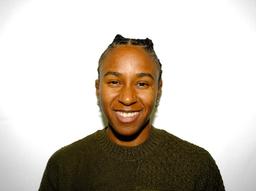
When my son got diagnosed at two with autism, I was having a hard time with simple parenting task that made me feel I was doing something wrong. Then once the diagnosis came, I started having a deeper understanding for why things felt so hard
Improving overall health by discovering your own personal cheat code
Stephanie T.
Pain management
Hormonal health
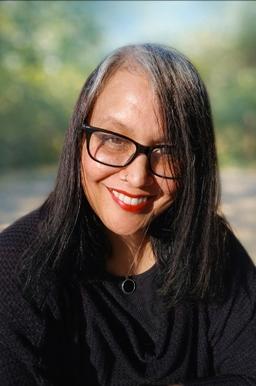
I didn’t improve my health by following someone else’s routine. I improved it by finally paying attention to my own body. As a woman of a certain age I knew I owed to myself and my children to do what was right for me. Everything shifted when I stopped chasing the right answer and started noticing my patterns—how my energy moved, what foods actually supported me, how stress lived in my body, and what helped me regulate instead of burn out. My body wasn’t broken. It was communicating. That awareness became my personal cheat code. Not a hack, but a way of understanding my own operating system. Now, I help others do the same. This isn’t about rigid plans or perfection. It’s about learning how your body responds so you can make small, aligned changes that actually last. When you understand your signals, health stops feeling like work—and starts feeling sustainable.
Parenting a neurodivergent child as a neurodivergent parent
Cassi c.
Family communication
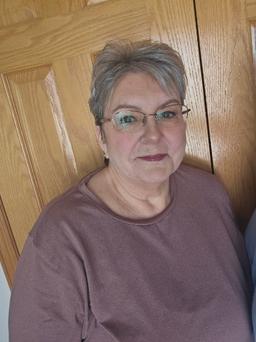
Becoming a parent completely shifted my world. Before my son was born, I was just living life moment-to-moment, but parenting pushed me to grow in ways I hadn’t imagined. Diagnosed as autistic in adulthood, I had to learn how to advocate not just for myself but also for my child, who is autistic and has ADHD. Our journey hasn’t always been smooth, especially when navigating systems or other adults who had negative views about neurodivergency. I’ve learned to set aside traditional expectations and instead celebrate my son’s unique way of being in the world. Through our gentle parenting approach, I’ve developed strategies for communication, collaboration, and skill-building that respect both of our needs. Parenting helped me find my voice and deepen my empathy, both for myself and others. I know how isolating and overwhelming this path can feel, and I’m here to offer support, validation, and real-world tools to anyone walking a similar journey.
Clarity and strategy session for neurodivergent adults
Balance
Stress management
I’m neurodivergent myself, and I know how exhausting it can be to hold too many thoughts at once—especially when most advice assumes unlimited energy or a single “right” path. In this session, I show up as a thinking partner. We take one situation, decision, or problem and make it more explicit: what’s actually going on, what constraints are real, and what options exist once those limits are acknowledged. This is a conversation. There’s no expectation of follow-up or ongoing work. The goal is clarity and relief from mental overload, not motivation, fixing, or self-improvement pressure.
Caregiving and self-care for a spouse with disabilities
Jessica M.
Disability
Self-care
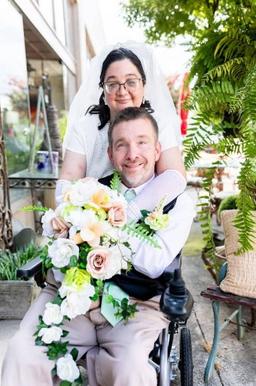
It has been my experience that while being a wife and a caregiver for a spouse with disabilities and mobility challenges I have had to learn to prioritize my self-care and boundaries and limitations and know when I need to ask for help or call for help because I don't have the strength to pick him up or move him into his wheelchair under my own capacity and need help and that I need to take care of myself in the process
Chronic illness and finding support
Chronic illness
Navigating healthcare
Suffering from chronic illnesses and difficulties taught m how to be a better advocate for myself so I know the pain of doctors, medicines, and treatments. and i am here to provide hope and resources so that you dont have to travel the road of pain suffering and agony alone
Embracing vulnerability and growing into yourself
Boundaries
Emotional expression
As someone that has multiple health conditions, I have learned that while I may have pain, and while i may experience so many emotions, I have learned to be vulnerable through those conditions and I have learned how to open up, and to still respect my boundaries of my emotions, and ive learned to grow as a person who wants to develop my leadership abilities to help others change their lives and help others become the person that they want to be
Exploring self-worth with curiosity and compassion
Kerri W.
Healthy routines
Self-discovery
+2
I grew up taking pride in what others said about me, yet struggling to believe it myself to actually step into my life's purpose. Running on external sources for self worth can only last but so long before I was met with authentically and meaningfully seeing me. With mindfulness, emotional intelligence and a continuous curiosity to see and understand myself and how I feel about what I uncover, while also learning of the countless different available healing modalities that support my inner balance and harmony with others, I am now able to be a flickering light that takes pride in offering support to others from a state of overflow, no longer depleting my own energy for other's approval.With practice, grace and patience, I have reached a loving space where I move through life's ups and downs with allowance and acceptance, something I thoroughly enjoy sharing with others as we all deserve to believe in and walk in our own enoughness and worthiness. My journey continues, and so does yours
Feeling seen and supported
Shelly C.
Acceptance
Acceptance & healing
I have lived through invisible disabilities that reshaped my life—seizures, Hereditary Angioedema (type 2 HAEA), and Amelogenesis Imperfecta. At 23, medical complications led to the removal of all my teeth and a hospitalization where I was placed on life support. Alongside these health challenges, I’ve faced divorce, agoraphobia, and the responsibility of caring for my brother after multiple strokes and a heart attack. These trials could have left me broken, but instead they became the foundation for my purpose. I began certification training to better understand how to cope and to help others walking similar paths. My journey has taught me that resilience is not about facing struggles alone—it’s about community, compassion, and the power of being heard. My mission is to create spaces where invisible battles are acknowledged, where listening is valued as deeply as speaking, and where hardship is transformed into healing.
Challenges with anxiety and feeling overwhelmed
Shaera H.
Anxiety
I can be there for you if you’re battling racing thoughts, panic attacks, or the overwhelming weight of anxiety. I have skills in CBT, ACT, and DBT plus have the challenge of Dissociative Disorder and have both panic attacks and anxiety attacks. I'm here. You don't have to suffer in silence.
Focused flow and body doubling to get things done with support
Goal setting
I found body doubling about 2 years ago when going through a depression and needed help to get things done. It was a warm, supportive space where I didn't have to do it alone. Here we show up together, set gentle goals, and move through tasks side-by-side. Perfect if you're overwhelmed, anxious, procrastinating, or just need grounding energy to get things done. So if you work better when someone is quietly holding space with you then this session gives you emotional support and gentle accountability while you complete tasks: big or small.
Navigating the weight of bipolar crashes with self-compassion
+1
Talk with me about the ups and downs of living with bipolar: especially the crashes that can feel heavy, frustrating, and out of your control. I’ve been there myself. Over time, I’ve learned to see those crashes not as personal failures, but as my body’s wisdom calling me to rest and restore. In this session, you’ll have a safe space to process what you’re experiencing, release self-judgment, and begin to reframe your relationship with your cycles. Together, we’ll explore gentle ways to honor your body, stabilize your emotions, and move forward with compassion for yourself.
Balancing care and self-care as a parent of a child with chronic illness
Hazel P.
Guilt & burnout
When my daughter was 11, she was diagnosed with Type 1 diabetes. It completely knocked the wind out of me. No one in my family had diabetes, and I had no idea how to manage it. On top of that, she’s also on the autism spectrum and has ADHD. The learning curve was steep, and I often felt like my entire life revolved around her care. I loved her deeply, but I struggled to find me in the process. Over time, I had to learn how to provide love and stability for her while also honoring my own well-being. It meant choosing a different path—one that others didn’t always understand. It’s been lonely at times, but it’s also made me stronger and more compassionate. I want to be here for other parents who feel the weight of it all—to remind you that you’re not alone, and it’s possible to support your child while still taking care of yourself.
What it means to think differently as a neurodivergent
Mike C.
I often feel like I'm operating on a different frequency—processing things in ways that made perfect sense to me but seemed confusing to the world around me. Whether it was how I approached conversations, structured my thoughts, or reacted to social dynamics, these spaces never jived with my design. At times, that led to frustration, self-doubt, and isolation. I either tried to mask my differences to blend in or leaned so far into them that I struggled to find common ground with others. It wasn’t until I started actively learning about neurodivergence that things truly shifted. My brain wasn’t ‘wrong’—it was just operating on a different set operating system. I know how important it is to uncover your strengths and advocate for your needs. If you’ve ever felt like you were constantly adjusting yourself just to be understood, this is an invitation to honor your unique mind and thrive in spaces that weren’t built for it.
Communicating while neurodivergent
Communication
I spent years feeling like I was trying to translate my thoughts and emotions into a language that wasn’t mine. Conversations that seemed effortless for others—small talk, advocating for myself, expressing feelings without fear—felt exhausting. Being neurodivergent meant my brain processed interactions differently, and it wasn’t always easy for people to understand that. Over time, I learned that effective communication isn’t about forcing yourself to conform—it’s about discovering how you communicate best and finding strategies that help others meet you where you are. Whether it’s navigating relationships, workplace dynamics, or even daily interactions, having tools that honor your needs can make a huge difference. Through peer support, I’ve helped people uncover their communication strengths, manage overwhelm in social situations, and build confidence in expressing themselves authentically. You don’t have to mask or shrink yourself to be heard. Let’s explore what works for you.
Living with a chronic illness
JanMarie L.
+4
The daily struggles of dealing with a chronic illness are exhausting! I was diagnosed at age 29 with fibromyalgia. Until I was in my late 50's, I was able to manage the pain and flare-ups with over the counter meds and self-care. In my late 50's, I had an increasing amount of pain, fatigue, headaches, relationship stress, and career struggles due to my illness. It was scary, emotionally challenging and overwhelming. I reached a point where I could not get out of bed on most days and my entire life was falling apart. I was unable to function. I lost my physical and mental health, my career and my feelings of being valuable and a contributor. I have learned how to take one day at a time and manage my energy. It took courage to be willing to pick myself up and begin to rebuild a life with my new reality. I have built a tool box that is full of helpers for my rough days. Some tools are actions, others are ways to deal with the feelings and stresses.
Caring for a parent or other loved one
Coping with loss
My mother lived with me over 12 years. She was healthy when she moved in but shortly afterwards she developed Alzheimer's. I walked beside her through her journey. I had to learn how to navigate self-care and her care. It is very difficult. The bulk of managing her care (i.e. finances, doctors/health) fell to me. It was demanding with significant emotional, physical and financial investment for me and my family. While rewarding, I had to learn to ask for help and then let go. Letting go was hard to do but I had to take steps to take care of me so that I could be a loving caregiver. Mom passed in March of 2025 after a traumatic fall. I then had to deal with all of the end of life details and grieve.
The changes facing you as shift to life after 50ish
Midlife reflection
Aging is a tricky thing. I have learned so much about life, myself, transition and reclaiming as I've journeyed through the last 15+ years. No one prepared me for the cycles and what would be happening. I have discovered that I was and am able to recenter myself and be authentic and whole. The journey is hard. I have lived experience with childhood trauma, disordered eating, substance abuse and early widowhood. I imagined that once I reached 50's it would be smooth sailing. I was wrong! Let's talk about your experiences and discover how you can be your best as you grow!
Finding your purpose after major changes in life
Amy J.
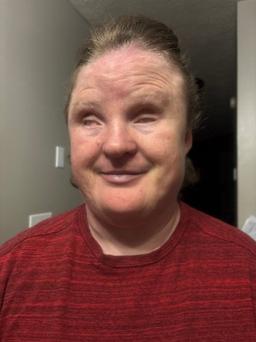
After becoming blind I struggled with knowing what my purpose in life is. After speaking with counselers, church members and friends and lots of prayer I have found that I can help others through trials in life by sharing what I've been through and how it changed my life for the better.
Finding success after becoming disabled
Work stress
Accessibility
Disabled from birth I have struggled finding employment that is accessible to me as a blind person. Jobs that work with screen readers and locations easy to find transportation to have been challenges I've had. After several job opportunities I have found a job that I feel will be rewarding and enjoyable that I don't have to leave home for.