2 free sessions a month
Expert Matcher
Get personalized recommendations for experts in just a few taps
Challenges with anxiety and feeling overwhelmed
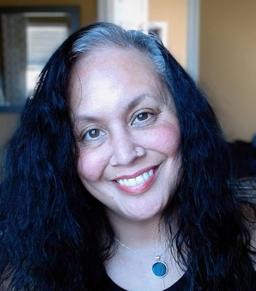
Shaera H.
Available today
Anxiety
Stress management
+3
I can be there for you if you’re battling racing thoughts, panic attacks, or the overwhelming weight of anxiety. I have skills in CBT, ACT, and DBT plus have the challenge of Dissociative Disorder and have both panic attacks and anxiety attacks. I'm here. You don't have to suffer in silence.
Creating hope and stability when life feels overwhelming
Depression
Emotional regulation
+2
I know what it’s like to wake up feeling heavy, stuck, or unsure how you’re going to make it through the day. Living with depression can feel isolating, like no one truly understands what’s going on inside. I’ve been diagnosed with both Bipolar I and Seasonal Affective Disorder, which means I cycle through periods of deep depression and overwhelming lows throughout the year. I’ve had to learn, sometimes the hard way, how to manage these shifts, find small sparks of light in dark seasons, and remind myself that I’m not defined by my diagnosis. If you’re struggling, I want you to know you don’t have to go through it alone. I can sit with you in the heaviness, share what has helped me through my own cycles, and offer a space where you don’t have to hide how hard it feels. Together, we can find ways to create even the smallest sense of relief, stability, and hope—one step at a time.
Spirituality and spiritual awakenings
My first awakening came at 23, when everything in my life suddenly simplified into one undeniable truth: love is what matters most. Not success, not perfection, not external validation: just love. Many near-death experiencers describe this same realization, that love is the core of everything: and I felt that truth awaken in me so clearly that it changed how I saw life, people, and purpose. Years later, in my 40s, a second awakening arrived: quieter at first, then powerful and expansive. Through deep meditation and the Gateway Experience, my inner world opened. My intuition sharpened, my awareness deepened, and abilities I never expected: psychic sensitivity, mediumship, subtle perception began to unfold naturally. Whether you're feeling expanded, confused, curious, or in transition, I help you make sense of what’s unfolding, stay rooted, and integrate your insights with clarity and emotional safety.
Resetting your heart and finding inner calm
I’ve lived with bipolar type 1 for over 25 years and have navigated many dark and overwhelming moments in my life. Through therapy and developing coping skills, I’ve learned how to find balance, manage anxiety, and reconnect with myself. In this session, I bring that experience to support you in regulating your nervous system, grounding your energy, and reconnecting with self-love. I provide a safe, nonjudgmental space where you’ll be heard, supported, and guided through practices like mindfulness, creative exercises, and reflective tools tailored to your needs. We’ll focus on helping you feel centered and emotionally clear, even when life feels heavy or overwhelming.
Navigating the weight of bipolar crashes with self-compassion
Talk with me about the ups and downs of living with bipolar: especially the crashes that can feel heavy, frustrating, and out of your control. I’ve been there myself. Over time, I’ve learned to see those crashes not as personal failures, but as my body’s wisdom calling me to rest and restore. In this session, you’ll have a safe space to process what you’re experiencing, release self-judgment, and begin to reframe your relationship with your cycles. Together, we’ll explore gentle ways to honor your body, stabilize your emotions, and move forward with compassion for yourself.
Navigating the challenges of making friends
Loneliness
For me, meeting new people and making friends hasn’t always come easy. I’ve had times where I felt anxious walking into a room, worried about saying the wrong thing, or wondering if I even belonged. There have been seasons of loneliness where I wanted connection but didn’t know how to start—or where past hurts made it hard to trust new people. In this session, I’ll share openly about my own challenges with friendship and the lessons I’ve learned along the way. This isn’t about having it all figured out—it’s about creating a safe space to talk about how hard it can be and to support each other in the process.
Relationship stress & attachment support
+4
Relationships can be messy. I know this not just from training, but from my own life. I’ve navigated the ups and downs of dating with my own attachment wounds, struggled through communication breakdowns, and had to learn how to honor my needs while respecting someone else’s. That’s why I understand how heavy it can feel when your heart wants one thing, but your mind is full of questions and doubts. In this session, I’ll hold space for you the way I’ve needed others to hold space for me: with no judgment, just validation, compassion, and clarity. Whether you’re dealing with relationship anxiety, mismatched attachment styles, or feeling unseen in your connection, you don’t have to carry it alone. We’ll slow down, name what’s really going on, and help you leave with more peace and perspective.
Exploring your questions with tarot and psychic guidance
Spirituality & identity
I’m an experienced intuitive reader and evidential medium, offering heartfelt guidance and clear, accurate messages from Spirit. My readings have received excellent reviews for their accuracy, depth, and emotional resonance. I read on Oranum for intuitive insights and offer evidential mediumship sessions on VerySoul, where I bring through detailed evidence and meaningful messages from loved ones in Spirit. I also have clairvoyance, clairsentience, clairaudience, & claircognizance: expressive, intuitive psychic gifts that capture the essence of spiritual experiences and messages. My work blends intuition, empathy, and spiritual attunement to create a space of clarity, connection, and trust. We can discuss your concerns, consult tarot, & I can provide wisdom & guidance.
Focused flow and body doubling to get things done with support
Neurodivergence
Goal setting
I found body doubling about 2 years ago when going through a depression and needed help to get things done. It was a warm, supportive space where I didn't have to do it alone. Here we show up together, set gentle goals, and move through tasks side-by-side. Perfect if you're overwhelmed, anxious, procrastinating, or just need grounding energy to get things done. So if you work better when someone is quietly holding space with you then this session gives you emotional support and gentle accountability while you complete tasks: big or small.
Song reflections and a healing music space
Coping tools
Music reaches places inside us that conversation sometimes can't, and healing often begins when we allow ourselves to feel again. In this space, we use music as emotional reflection, expression, and connection. You can bring a song(s) that resonates with you, or we can choose one together based on what you're feeling. We’ll listen in the chat/screenshare and explore the emotions, memories, insights, and meanings that arise. Or we can just hang out and jam :) I've held 200+ Healing Through Music sessions on ShareWell, a peer-support platform, and it’s one of the most powerful ways people open up, self-discover, and find emotional release without pressure or judgment.
Faith, mental health, LGBTQIA+ , and relationships
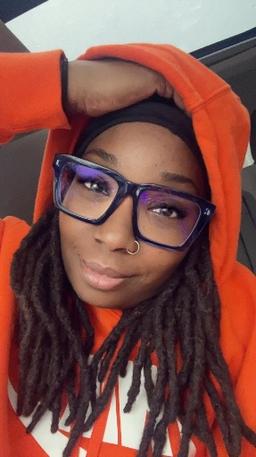
Robin H.
Body changes
My story isn’t perfect — it’s real. I’ve stumbled through loss, career changes, heartbreak, anxiety, and depression, but I’ve also found strength in my faith and the community that held me up. I wear my scars and my colors proudly as a member of the rainbow gang 🏳️🌈. Now, I’m here to help others find their footing and rediscover their light. If you need a mentor who’s walked the hard roads and still believes in hope, let’s connect.
What is weighing on your spirit and how to find calm through it
Self-esteem
I’m a 37-year-old lesbian with a whole passport stamped by life’s hardest lessons. I done walked through so much fire I should glow in the dark, but somehow I still find my smile — even if it be strolling in late like it own the place. Since I was 12, I been losing folks yearly, including my dad most recently. I’ve climbed outta two divorces and I’m pushing through a third, with two of those being straight-up narcissistic rollercoasters. I’m an Army vet, the baby of five, and still evolving — growing, stretching, healing. God still working on me, and I’m working right beside Him. I’ve lost everything — even my dog — and built myself back from scratch. I’m a depression and anxiety survivor, and I lived through moments when I ain’t wanna stay on this earth. But I’m still here. Still fighting. Still choosing me. If you need somebody who knows pain but can still crack a joke in the middle of the storm, I’m that one.
How anger manifests in you
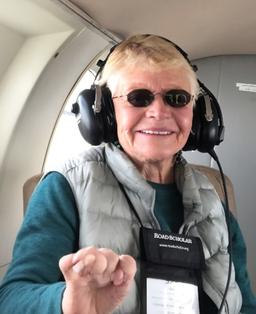
Sandy P.
I see or hear something that displeases me; there’s an immediate surge of energy in my gut. I feel like cursing or striking out. Or I feel like crying and hiding as when I was a child and anger wasn't allowed. Sometimes anger simmers unconsciously below the surface, waiting for a moment to erupt, most often at an inappropriate time bringing guilt or shame. It might translate into passive aggression, a biting comment or icy silence. Sometimes it morphs into something entirely different – anxiety or sadness or fear. Without psychoanalyzing, developing awareness of unrecognized anger can put us in control of it. Anger manifests in many ways. It often masquerades as insomnia and food disorders. Understanding how it manifests, acknowledging its presence, exploring it's origins and recognizing this consciously helps us better navigate it's various forms and respond in ways that are constructive rather than destructive. Giving help with such exploration is the work of a Warmer Expert.
Parental/adult caregiving challenges testing your resilience
I cared for Dad for 7 years, first in my home, then in his, each posing unique challenges. He was deferential in mine, but very controlling in his. I was building a professional practice, he was dealing with consequences of bladder cancer surgery. We had complicated feelings about each other: he praised my dedication to him, and feared I'd harm him with his medications; I resented leaving my home, being the caregiving sibling. I acted horribly at times (I locked him out of my RV which he dearly wanted to work on) and he reciprocated (making my friends feel unwelcome in his home). He'd call me by my mother's name. (Parental conflict was the norm growing up.) I came to have great compassion for her. We had moments of great generosity and we even had fun together, too. It brought out the worst and the best in us. But it never occurred to us to seek help, a trusted outsider to help provide perspective and verbalize frustrations. If this sounds familiar, let's work on it together.
Strategies for dealing with toxic adult children
I have two adult children, both approaching retirement age, who still blame and resent me as a mother. For years, I felt sad and envious of my friends’ child relations. I thought if I just said it this way or didn't do that that we'd progress. While I understand they could feel betrayed using the perfect mother model, I no longer accept the perfect mother standard. I now understand that past mistakes don't define me today. I was being unrealistic in the present. And once I "got it" things improved, and I felt better. The first big step was to stop listening to abusive complaints and accusations. Today I use a soft voice to say enough now I’m hanging up. Then I do. Once I got clear on my boundaries, their behavior improved (and so did mine!). It's been a long journey with periodic missteps. With help I have more tools to work with. I'm not as angry. I have hope and even some satisfaction. If you are ready to get off that toxic treadmill, join me. Let's find your boundaries.
Complicated, estranged parent-child relationships
Shame
Boundaries
I’ve lived a full life—with all the ups, downs, sharp turns, and potholes that come with it. I'm a mother of two sons of retirement age: the younger, I'm total estranged from, and it's the same as losing a child; the elder, a practicing alcoholic, is tricky. As a former marriage and family therapist, a caregiver for my dad during his final years, and someone who has fought my own battles with addiction and recovery, I deeply understand being in hard places. My struggles were relationship acceptance and guilt and shame. I was an inadequate parent and it brought great pain to us all. But I finally sought help. I no longer accept the unrealistic perfect mother model. Once I understood my boundaries, our relationship improved. I stopped listening to abusive complaints. Now we can tell when things are "going south" and we can gracefully withdraw from conflict. Acceptance and boundaries are game changers. They can be for you, too. Let me support and help guide you in this process.
Lost self-confidence due to job identity loss
Career change
Job loss
Losing a job is profoundly disorienting. My job was more than a source of income and daily routine; it was my life, it defined me, was how I introduced myself. It was my social network, my family. I felt lost, confused and somehow like a really bad person. I discovered I had been in burnout mode and didn't know it. It felt catastrophic. I was in a fog....and the good news is you can wake up from that fog and take action. Like you are doing now: seeking help! There are strategies for coping with and overcoming these challenges. Reestablish routine, identify and organize your priorities. Taking time for self-assessment and self care gives you strength to manage yourself, making you a more attractive interviewee or entrepreneur. There's work to do to recreate yourself. That's what happened to me. I entered a career I'd never dreamed of, in an environment that draws on my intuition. Self-respect and confidence came quickly. This can happen to you. Let's explore it together
Coming out after 50
Purpose in recovery
The biggest challenge was coming out to myself. In the recovery community we talk about the "gifts of sobriety," things we learn about ourselves once the substance induced haze dissipates. My coming out was just that.....a gift. I had just turned 50 when I told my drinking story at a women's AA meeting. While I was clueless about myself, every lesbian in the room knew I was one of them. Due to internalized homophobia and unfamiliarity with the lifestyle, I intuitively felt threatened: I was embarrassed and ashamed, afraid of rejection. Being in corporate mode, I "hired" a "consultant" to help me assess my status. In the process, I found I already had lesbian friends. I found acceptance of myself and others. Whether you knew when you were 8 or are just now in discovery, coming out can be the most liberating of experiences. I've been there, done that, and I can help make your journey easier. You don't have to navigate it alone. Let me co-pilot your journey of discovery.
Building resilience and navigating life's setbacks
Resilience
Purpose discovery
Resilience, the ability to adapt and bounce back from adversity, is an essential skill in the modern world. Some people appear naturally resilient. If that's not you, the good news is you can cultivate resilience through conscious effort and intentional practices. Building resilience enables you to navigate setbacks, grow from challenges, and maintain a sense of purpose in the face of uncertainty. Growing resilience requires self-awareness, self-regulation, optimism, self-compassion and a growth mind-set to name a few. I have gone through the twists and turns that life presents: family disintegration, child-estrangement, physical challenges , job and career loss. Though it was rocky, I survived and ultimately thrived. Certain practices strengthen your ability to cope with stress and to recover from setbacks. They foster growth and adaptation. Let’s navigate your current setback(s) together. Let me be your co-pilot in discovering skills you don't yet know you have.
Healing loneliness or gaining friends through a growth mindset
Growth mindset
I’m an introvert who grew up in a family of introverts. I had no childhood friends because of homework and music lessons. A divorce and estrangement from family left me on my own entirely. My adult friendships were few, occasionally satisfying, but contact was sporadic. After retiring, I relocated to an area where I knew no one. Although now eager for connection, I had few social skills, and my initial efforts were fraught with unrealistic expectations in a closed community culture. It took a while, but I’ve turned the corner. A few deep friendships, a weekly Friday afternoon social group at my house, volunteer activities and counseling made the difference. It’s not an overnight solution, but I’m proof that a satisfactory, joyful recovery from isolation and loneliness by learning new skills is possible. It requires willingness to expand your comfort zone, persistence, resilience, a growth mind-set and good humor. Join me. Let’s start your journey to connection and healing.