Grief & Loss
Expert Matcher
Get personalized recommendations for experts in just a few taps
Navigating grief
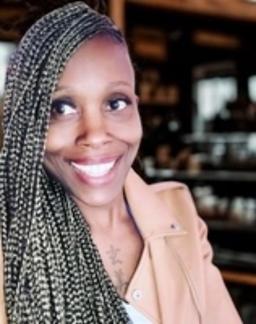
Stephanie T.
Available today
Spiritual grief
Finding meaning after loss
+3
I’ve experienced various kinds of grief. The kind that has you saying goodbye to loved ones that have passed, the kind that asks you to mourn people who are still alive, to sit with spiritual disillusionment, and to reckon with endings that don’t offer clean closure. Divorce and breakups can fracture shared meaning, routines, and support systems. Community loss can leave you questioning where you belong and whether it’s safe to trust again. Losing a loved one, a community, a spiritual home, a marriage, or long-term relationship can feel disorienting because what’s gone isn’t a person—it’s belonging, identity, and the life you imagined living inside that space. Finding meaning after this kind of loss is about allowing grief to be honest and layered. It’s about honoring what was real, naming what caused harm, and slowly rebuilding a sense of connection that’s grounded in truth rather than nostalgia.
Healing from trauma, people pleasing, and learning how to choose myself with healthy boundaries
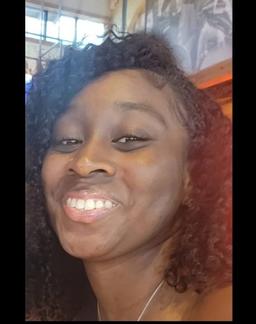
Courtney G.
Death of a loved one
For a long time, I prioritized others before myself. I thought this was my love language, but I didn't realize I was actually neglecting myself and performing for others. With this mindset, I accepted abusive relationships and often engaged in people-pleasing, which drained me for years. After my father's unexpected passing, I started going to therapy and began to see life from a different perspective. It felt as though a part of me had died along with him, which opened my eyes to the fact that I needed healing. Now, I stand here with healthy boundaries, understanding that it's okay to choose myself first and then care for others. My relationship with God has grown closer, and I finally feel like I'm walking in my purpose. While I continue to help people, I do so in a healthier way with established boundaries. My children are my pride and joy, and I'm teaching them about healthy boundaries by being a living example.
Your journey and your loss of someone
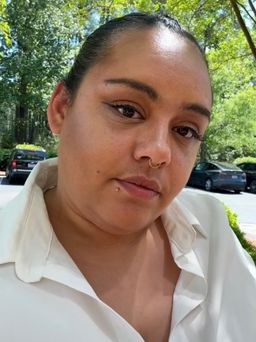
Kacey H.
Grief anniversaries
I lost my mom 13 years ago and my dad five years ago. The grief of losing your parents is quite significant, even if there is trauma in between. I am here to help navigate and vent about losing a loved one whether or under strain circumstances, or just not being able to have closure. I am here to uplift and validate. Grief anniversaries are hard, no matter how much time has passed. So many think that after a little bit of time, things are suddenly better and that’s not always the case.
Navigating grief after losing a parent and finding your way through that identity shift
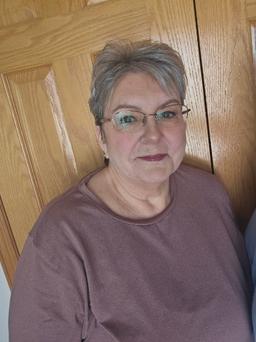
Ruperi S.
+4
Losing my father to brain cancer changed me. I didn’t just lose him I lost part of myself. Grief taught me that love doesn’t end but transforms. Healing came slowly, through memories, tears, and acceptance. Now I walk alongside others who are grieving, offering softness and understanding.
Finding healthy connections after dropping unhealthy habits
Kerri W.
Loneliness
Loss of identity
Once I began to know better for myself and do better, I instantly felt the shift in the connections in my life. I felt more & more alone as what I thought held us together was no longer sustainable to maintain relationships with those from my past. That loneliness stepping into my new season of growth was intense, and made it feel so tempting to return to old habits that I knew deep down no longer aligned with my life's journey. Sometimes others were even hurtful towards me emotionally and verbally as we went our separate ways, and those feelings were difficult to navigate alone. Continuing along the path I knew was right for me, that I felt deep down in my gut and could see the proof of in my surroundings as more doors began to open was affirming, and I know I made the right choice as I am attracting the community that best supports the path that I am on today.
Feeling seen and supported
Shelly C.
Acceptance
Acceptance & healing
I have lived through invisible disabilities that reshaped my life—seizures, Hereditary Angioedema (type 2 HAEA), and Amelogenesis Imperfecta. At 23, medical complications led to the removal of all my teeth and a hospitalization where I was placed on life support. Alongside these health challenges, I’ve faced divorce, agoraphobia, and the responsibility of caring for my brother after multiple strokes and a heart attack. These trials could have left me broken, but instead they became the foundation for my purpose. I began certification training to better understand how to cope and to help others walking similar paths. My journey has taught me that resilience is not about facing struggles alone—it’s about community, compassion, and the power of being heard. My mission is to create spaces where invisible battles are acknowledged, where listening is valued as deeply as speaking, and where hardship is transformed into healing.
What it's like to lose someone you love
Hazel P.
A little over a year ago, I lost my younger brother to substance abuse. Four months later, I lost the love of my life to cancer. My world shattered. It felt like I’d fallen into a deep black hole with no way out. Everything changed, I couldn’t manage daily life without leaning on friends and family, and I had to give myself permission to simply grieve and do nothing for a while. Slowly, day by day, I began to heal. I started putting one foot in front of the other. Through my grief, I discovered lessons from both of them about living fully and authentically. Today, I carry those lessons with me. Living with a deeper sense of gratitude and appreciation for life, love, and the people who walk beside us through it all.
Having an unexpected pregnancy and are facing or faced the need whether to keep or terminate
JanMarie L.
Child loss
Pregnancy
+2
I was faced with making a decision about an unexpected pregnancy twice in my life. Once at 17 and again at 25. The circumstances were different each time. At 17, my parents chose for me and at 25, I had to go through my own process to choose what was best for me. Both times, the choice was to terminate the pregnancy. It was the right decision for me each time. Both experiences had significant influence on my life and choices moving forward. I had to go through different grieving and healing processes for each termination. One thing I would have benefited from is someone to talk to who had been there.
Caring for a parent or other loved one
Coping with loss
Chronic illness
My mother lived with me over 12 years. She was healthy when she moved in but shortly afterwards she developed Alzheimer's. I walked beside her through her journey. I had to learn how to navigate self-care and her care. It is very difficult. The bulk of managing her care (i.e. finances, doctors/health) fell to me. It was demanding with significant emotional, physical and financial investment for me and my family. While rewarding, I had to learn to ask for help and then let go. Letting go was hard to do but I had to take steps to take care of me so that I could be a loving caregiver. Mom passed in March of 2025 after a traumatic fall. I then had to deal with all of the end of life details and grieve.
Finding your purpose after major changes in life
Amy J.
Disability
After becoming blind I struggled with knowing what my purpose in life is. After speaking with counselers, church members and friends and lots of prayer I have found that I can help others through trials in life by sharing what I've been through and how it changed my life for the better.
Coping with grief and loss
Through my life I have lost many loved ones, friends and even my eye sight. Sometimes grief gets better and other situations the grief for me continues. With help of family, friends and my faith in God I have learned to cope and find comfort through these losses. Now I want to be a listening ear and help others that are grieving.
Navigating grief, loss, and life’s challenges while finding support
Angie R.
I have experienced many situations that left me living in what I call "crisis mode," including growing up with an abusive parent, losing a parent suddenly as a teenager, marrying a man who became violent and abusive, and later caring for him through seven years of illness until he passed away. I have faced fertility challenges and, after eight years of trying, was finally successful with IVF and had twins, including seven months on bedrest. Tragically, one of my twins became seriously ill at 16 and battled numerous health issues until she passed away at 24 after a year in the ICU. Throughout all of this, I have navigated my own health challenges and am now disabled.
Navigating grief, trauma, and life after loss
Adjustment & adaptation
Hello, I’m a 57-year-old who has faced many challenges over the years, including growing up with an abusive parent, losing a parent at a young age, enduring a 15-year marriage to an abusive spouse, navigating infertility and IVF, raising twins, caring for and losing a spouse to terminal illness, and the loss of a 24-year-old child to health issues. I have also faced my own health challenges and become disabled. These experiences, combined with my lifelong work supporting abused and neglected children, women, sex trafficking survivors, foster youth, and grieving parents, have given me a deep understanding of grief, crisis, and resilience. I am here to help you find strength, know you are never alone, and discover ways to survive and thrive even through life’s most difficult moments.
Surviving life in "Crisis Mode"
Goal setting
My life has been a journey through pain, loss, and resilience. I grew up with I felt was an abusive parent and lost another at a young age. I survived a 15-year abusive marriage, faced infertility, and was blessed with twins through IVF. I became a caregiver to my terminally ill spouse and later endured the heartbreak of losing both my spouse and later one of my children who was 24 years old. Alongside these losses, I’ve faced my own health challenges and disability. For years, constant crisis defined my life, and when it finally quieted, I struggled to live what others call a “normal.” life. Through it all, I’ve learned that even in darkness, growth and hope remain possible. I’ve dedicated my career to helping others survive and heal—abused children, sex-trafficking survivors, women in crisis, and parents rebuilding their lives. Life is hard, but you can survive—and thrive.
Surviving human trafficking, healing, embracing diversity, and finding love and happiness
Maria L.
Resilience
Mindfulness
I survived human trafficking, a world built on fear, control, and hate. Escaping wasn't just leaving people behind - it was unlearning the lies about my worth and reclaiming my freedom. Healing meant shedding pain, prejudice, and survival mindsets to see the beauty and diversity and the power and love. I've claimed belonging to groups based purely off of hate for people they don't even know. I've learned the arrogance in hate but also the much needed presence of it in some circumstances which directly affect your well-being. Now, I try to help others do the same really trauma, move past hate, and rediscover the love and light inside them. Your past doesn't define your capacity for love - it can become the source of your strength, growth, and connection.
Finding purpose and light after grief
Rehabilitation
Grief has a way of changing you in ways you never expect. When I lost the people and things that meant the most to me, I felt like the world went quiet. The kind of quiet that echoes. I try to fill it with anything - anger, distractions, even denial - but nothing told the ache. Eventually, I realized brief isn't something you "get over." It's something you learn to live with, and if you let it, it can become your greatest teacher. Through my own pain, I found compassion, understanding, and the deeper sense of purpose. The same light I thought I lost was waiting for me to open my heart again. Grief doesn't mean you're broken - it means you love deeply. I'm learning to live again is how we honor that love!
Rebuilding self-worth after trauma and abandonment
Sonya R.
Trauma
Emotional regulation
I grew up surrounded by emotional chaos—parents struggling with alcoholism and depression, and a childhood full of absence, confusion, and pain. I witnessed and experienced physical, emotional, and sexual abuse, and for a long time I believed that love had to hurt. Those early wounds followed me into adulthood, shaping my relationships, my decisions, and the way I saw myself. I experienced miscarriage, divorce, and unhealthy romantic partnerships that echoed the abandonment I felt as a child. For years, I felt unlovable, constantly questioning my worth. But eventually, I chose healing. Through therapy, education, holistic work, and deep personal reflection, I began to break the cycle. I’ve now built a life rooted in healthy love, both for my children and for myself. My journey wasn’t easy, but it showed me that healing is possible, even when life is still messy. If you're feeling stuck in old patterns or questioning your worth, I want to walk beside you as you begin to reclaim your story.
Navigating life after loss and processing grief
Elizabeth J.
Pet loss
Coping tools
Mentor and Grief Coach. Navigating life after loss can be the most difficult path you ever walk. Just like you, after the loss of family, friends taken too soon and both of my Grandparents I needed to experience peace and live with hope. For me feelings of grief knowing that I would listen to old voicemails or see photos but never see my loved one again was hard. Big emotions were needed, but it was also draining. Time heals and I would love to connect with you and help you find courage and peace.
Navigating grief through all types of loss, from the end of a career or relationship to a loved one
Renee S.
Healthy routines
Support systems
Grief from loss can occur many times throughout our lives. From the loss of a dream or idea to the loss of a parent or spouse, grief can creep into our lives in many different ways. There is no right or wrong way to grieve but talking to someone can be a healthy way to cope when going through all of the ways we can be distressed. I've dealt with everything from the loss of my mother at a younger age after a debilitating illness to the sadness of losing the ability to continue in a career that I very much loved because my body had betrayed me. Loss of relationships has been a common thread throughout my life, from friendships to the closest and most important of all relationships. I've had heartbreak on every level. I've navigated loss of career, relationships, dreams & ideas, loved ones & pets (maybe one of the hardest to cope with!). I've gotten through some situations much quicker & easier than others, finding that going through, rather than around, tends to get me the best outcome.
Navigating sobriety as a parent, and dealing with loss and work stress
Stephen M.
Parenting
I was a daily drinker for 18 years and now I have 18 years of continuous sobriety! My journey hasn’t been smooth sailing. I’ve faced addiction, mental health challenges, co-parenting struggles, and the heartbreak of losing loved ones. Through it all, I leaned into therapy and a strong support network to come out stronger. I'm now a Certified Medi-Cal Peer Support Specialist, and helping others find their footing is something I care deeply about. Whether you're navigating sobriety, parenting kids with complex needs, or just trying to keep your head above water, I’m here to listen, relate, and support however I can.