Expert Matcher
Get personalized recommendations for experts in just a few taps
Emotional Wellbeing
Autistic burnout and overwhelm
Cassi c.
Available today
Rest
Self-care
+3
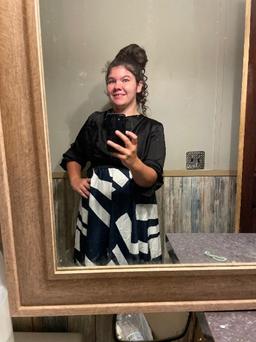
I’m an autistic adult who has experienced long-term burnout and chronic exhaustion, including the kind that doesn’t resolve with rest or time off. For me, burnout wasn’t just about doing too much — it was about mismatches between expectations, capacity, sensory load, and the ways I was taught to push through instead of notice limits. Over time, I’ve learned to recognize burnout patterns, early warning signs, and the difference between being tired, being overwhelmed, and being genuinely depleted. I’m not here to offer fixes, productivity hacks, or positivity. This space is for talking with someone who understands burnout as a nervous-system and systems-level experience, not a personal failure. If you’re burned out, unsure how you got here, or trying to understand what your exhaustion is actually telling you, I offer peer support grounded in lived experience.
Executive dysfunction and getting unstuck
Stress management
+4
I’m a neurodivergent adult who has spent years overwhelmed by productivity systems that promised clarity but instead added pressure, guilt, or complexity. I’ve tried many approaches that looked good on paper and failed in real life because they didn’t account for fluctuating energy, executive dysfunction, or the realities of living in a demanding world. Over time, I’ve learned to focus less on “the right system” and more on building something that is good enough to support me where I actually am. That usually means simplifying, reusing tools I already have, and letting go of expectations that a system should work perfectly or consistently. This isn’t about optimization, discipline, or becoming more productive. It’s a working session with a peer who understands executive dysfunction firsthand and can help you think through what might support you without adding more to manage.
Parenting a neurodivergent child as a neurodivergent parent
Neurodivergence
Family communication
Becoming a parent completely shifted my world. Before my son was born, I was just living life moment-to-moment, but parenting pushed me to grow in ways I hadn’t imagined. Diagnosed as autistic in adulthood, I had to learn how to advocate not just for myself but also for my child, who is autistic and has ADHD. Our journey hasn’t always been smooth, especially when navigating systems or other adults who had negative views about neurodivergency. I’ve learned to set aside traditional expectations and instead celebrate my son’s unique way of being in the world. Through our gentle parenting approach, I’ve developed strategies for communication, collaboration, and skill-building that respect both of our needs. Parenting helped me find my voice and deepen my empathy, both for myself and others. I know how isolating and overwhelming this path can feel, and I’m here to offer support, validation, and real-world tools to anyone walking a similar journey.
Clarity and strategy session for neurodivergent adults
Balance
I’m neurodivergent myself, and I know how exhausting it can be to hold too many thoughts at once—especially when most advice assumes unlimited energy or a single “right” path. In this session, I show up as a thinking partner. We take one situation, decision, or problem and make it more explicit: what’s actually going on, what constraints are real, and what options exist once those limits are acknowledged. This is a conversation. There’s no expectation of follow-up or ongoing work. The goal is clarity and relief from mental overload, not motivation, fixing, or self-improvement pressure.
Reconnecting with your mind and body connection for healing
Kareoke G.
Therapy & counseling
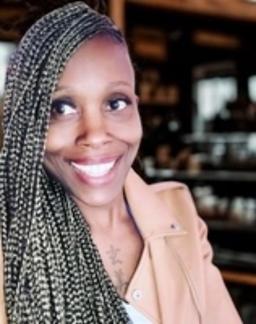
As a black neurodivergent man I've had my fair share of oppression from institutions of power. Born from such people that have historically labored their lives attempting to create a liveable dissonance between “earning an honest living” and the reality of the American infrastructure, I often found myself at a crossroad of dead ends during my search for liberation. I found myself often in real time, living with this need to mask my truths while reflecting on Audrey Lorde Litany for survival: This love “in doorways coming and going” causing an implosion inward. Through that forcing inward I have been intropsecting since childhood and have helped others from all walks of life attune to the grey area of their humanity with my counselship and life coaching. As of last year I completed my fully accredited EFT Tapping and Somatic life coaching certifications to push that community work further to continuing counseling folks through complex traumas, PTSD, Anxiety, Neurodivergent symptoms, etc
Breaking cycles of addiction (weed, coke, meth) for your children
Kellie D.
Parenting
Self-esteem
I grew up in a home where fear felt normal. My dad used meth to cope with his mental health struggles and the pain of losing his father, but it came out as anger. He lashed out at my mom constantly, and I was surrounded by yelling, chaos, and instability. I never felt safe. By the time I was a teen, I had turned to drugs myself—starting with marijuana at 13, then cocaine, and eventually meth by 1-It felt like the only way to numb everything I had absorbed growing up. At 23, I hit a breaking point and made the decision to leave hard drugs behind. A few years later, becoming a mom gave me a new purpose. I looked at my children and knew I had to give them something different. That meant healing, taking accountability, and learning how to parent with love instead of fear. I’ve worked hard to break those generational patterns, and I’m proud of the mom I’ve become. Now I support others who are trying to rewrite their family story because I know what it means to grow up in pain and still choose to build something better.
Parenting autism
Coping tools
When my son got diagnosed at two with autism, I was having a hard time with simple parenting task that made me feel I was doing something wrong. Then once the diagnosis came, I started having a deeper understanding for why things felt so hard
Overcoming challenges and acknowledging your value, regaining self-esteem, The struggle with PTSD
Rejoyce C.
Trauma
Divorce
I was in an abusive marriage. I was verbally abused daily. My husband was in charge of the money. There was a period of time that he would not buy food for the house. He would always say that we didn’t have any money for food. Later I found out that he had loaned someone $800 during that time.There were a couple of times that he became physically abusive. I got to where I would always have a bag packed. He alienated me from my family and friends. There were a couple times that I thought suicide was the only way out. As a way to stay in control, he would call the police to the house when I was frustrated with how he treated me and showed favoritism towards his kids. His kids are in school. I always found it odd that he would always want to sleep with them, especially after learning of his childhood abuse. He had everyone around us fooled, keeping a perfect image in front of all of his friends. I want to be a help to abuse and trauma survivors.
Healing after physical and verbal abuse with compassion and understanding
Depression
Loneliness
I am passionate about helping people who have gone through abuse. I spent nine months being isolated from my family while suffering, verbal and physical abuse. My desire is to help someone through the same things that I went through and/ or worse
The struggle of not being able to breastfeed
Postpartum
I had always dreamed of breast-feeding my children up until a year old. When I had my son, I didn’t take any bottles to the hospital or formula. I ended up having to ask the hospital for some formula to get him through while we were there. Once at home, I continued trying to breast-feed. It got to where I would have to make as much in formula as he took in breastmilk. It really bothered me for a while that I wasn’t able to do the one thing that I wanted to do the most.
Exploring emotional wellbeing
Stephanie T.
My emotional wellbeing improved when I gave myself permission to explore options instead of expecting myself to just “be stronger.” I began exploring different mental health interventions with curiosity and vulnerability rather than judgment. I learned what support actually looks like for me. I gained tools helped regulate my emotions and strengthen my self-esteem. Emotional regulation became less about control and more about capacity. As my awareness grew, so did my confidence. I learned how to respond instead of react, how to recover faster after setbacks, and how to trust myself in emotionally charged moments. Emotional wellbeing became a skill set. Now I can help others explore supportive options, build resilience at your own pace, and develop emotional regulation that feels realistic and sustainable.
Finding support as the black sheep and creative soul
Lakeaia S.
Conflict in friendships
For most of my life, it felt like I was trying to fit into a role I was never meant for. I was always the "black sheep" in my family or the "weird" one, which left me feeling disconnected and unsure of myself. That path led me through some really tough times with depression, not knowing where I'd live, and the quiet pain of friendships just fading away. Through all of it, I fought with that constant feeling of being an imposter, like nothing I did was ever truly good enough. A crisis that left me homeless for a second time forced me to start completely over, but it actually turned out to be a blessing in disguise. In that quiet space of rebuilding, I finally learned how to set real boundaries, manage my own emotional stress, and find my way back to creating music. I also realized that helping other people feel seen is one of the most powerful ways to heal. So now, I'm here to offer a listening ear and a steady presence for anyone navigating their own tough challenges.
Finding your voice, reclaiming your power, and creating a life that finally feels like peace
Kacey H.
Inner peace
I’m someone shaped by both the wounds and the wisdom of a complicated life. I survived childhood abuse that stole pieces of me before I even knew who I was. I grew up learning to silence myself, shrink myself, and carry pain that wasn’t mine to hold. Living with bipolar disorder added its own storms, but it also pushed me toward truth, resilience, and a deeper understanding of myself. Over time, I’ve learned to grow into my own voice, one I used to hide, and to protect my peace like it’s sacred. I’m still healing, still evolving, and still choosing myself every day. My story isn’t perfect, but it’s honest. And if you’ve walked through your own darkness, I hope something in my journey helps you feel a little less alone.
Rediscovering who you are after losing yourself in trauma, responsibility, or survival mode
Ruperi S.
Leadership
There was a time when I didn’t recognize myself after years of surviving instead of living, supporting my family from a young age, navigating grief, motherhood, and losing a child. I know what it feels like to wake up and feel disconnected from your own body and identity. Through slow healing, therapy, community, and remembering my voice, I rebuilt myself piece by piece. Now I hold space for others walking that same path back home to themselves.
Coming back home to yourself after pain, change, or emotional heaviness
Goal setting
+1
For a long time, I lived disconnected from myself constantly strong for others, but silent about my own pain. I carried grief, hormonal shifts, and emotional scars in my body until it began to speak louder than I did. My healing began when I finally slowed down, listened within, and rebuilt safety in my own nervous system, not through force but through compassion, softness, and truth. That journey taught me the power of presence not fixing, not advising, but witnessing without judgment. Friends and even strangers started opening their hearts to me naturally, and I discovered my gift: helping people feel seen, safe, and less alone in the parts of themselves they’ve been afraid to face. Now, I hold space for others the way I once needed gently, honestly, and with deep respect for their pace and lived experience.
Making sense of heavy emotions and finding gentle ways to cope
Anxiety
My journey includes long seasons of anxiety, depression, and emotional collapse. I know what it feels like to hold everything together on the outside while falling apart inside. Through therapy, grounding practices, and deep self-awareness, I learned how to care for myself emotionally. I offer compassionate support for anyone needing a steady presence.
Being an adult child of an alcoholic father
Jessica M.
Anger
Emotional regulation
It is hard being the child of an alcoholic father. It's difficult carrying the shame, guilt, resentment, anger, and many more emotions along with learning how to adapt and thrive and cope with having no contact and my father not being in my life. I've learned that I have been better off without him and his toxicity, and I have learned to stand on my own two feet and to be proud of myself for all of my accomplishments. Most importantly, I'm proud of myself for not following in his ways. I've learned to accept myself in my own eyes, instead of seeking validation and acceptance in other ways that weren't healthy.
Caregiving and self-care for a spouse with disabilities
Disability
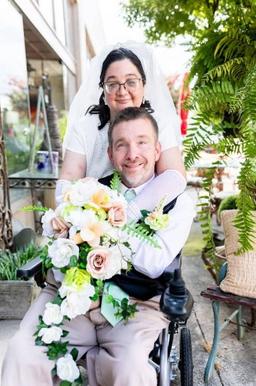
It has been my experience that while being a wife and a caregiver for a spouse with disabilities and mobility challenges I have had to learn to prioritize my self-care and boundaries and limitations and know when I need to ask for help or call for help because I don't have the strength to pick him up or move him into his wheelchair under my own capacity and need help and that I need to take care of myself in the process
Divorce being the unwanted divider of families
+2
Being an adult child of divorce, I fully understand what divorce does not to the family, but to the children involved. I know what it is like to experience parental alienation in the eyes of children, and I know what it feels like to feel torn between households once the divorce is completed.
Setting boundaries and prioritizing what matters to reduce time stress
Family relationships
I have always been someone that struggles with creating boundaries and understanding and holding true to boundaries, in order to protect my peace of mind and mental health and have always struggled to prioritize what is important, and to help me not to be stressed out once i make my decisions and learning how to create daily, weekly, and monthly priorities and obligations that must be done, versus things i would like to do or have time to do. Ive had to set up accountability reminders and journal entries in order to hold myself accountable, as well as have other people to hold me accountable to myself.